German soldiers gather around Millingen in 1939.
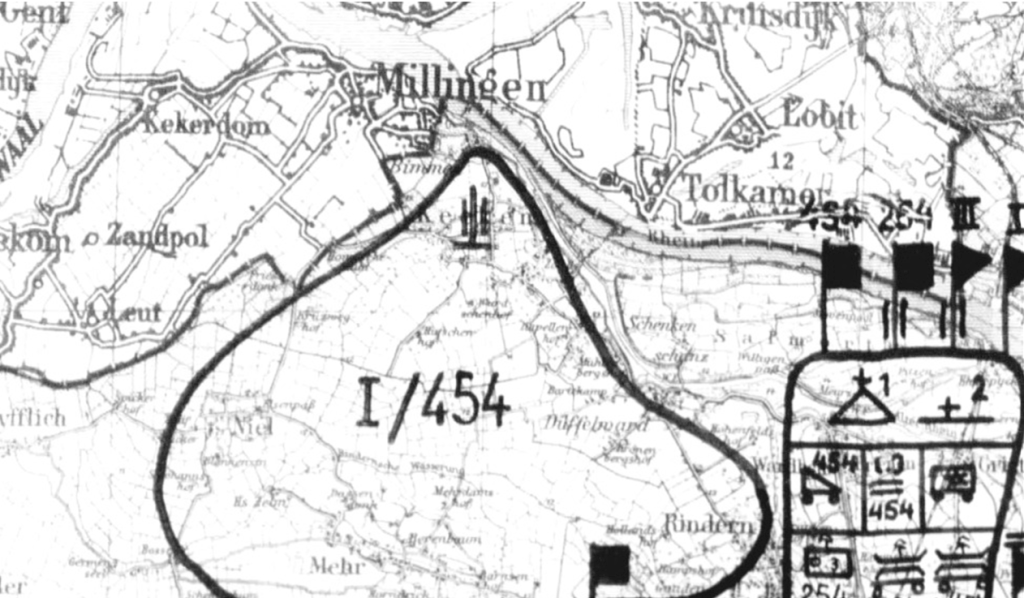
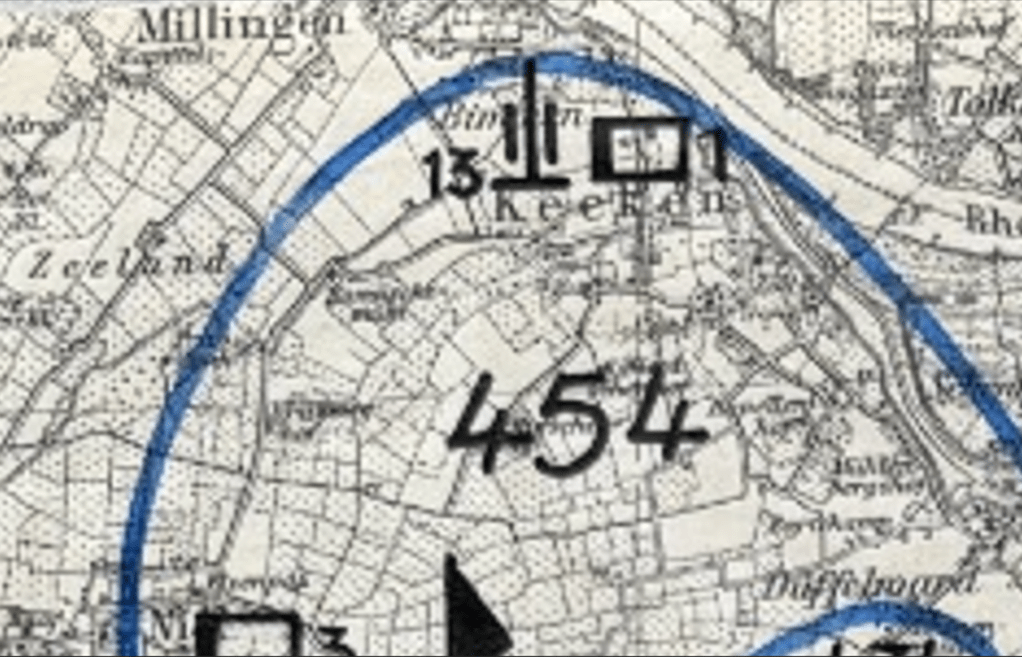
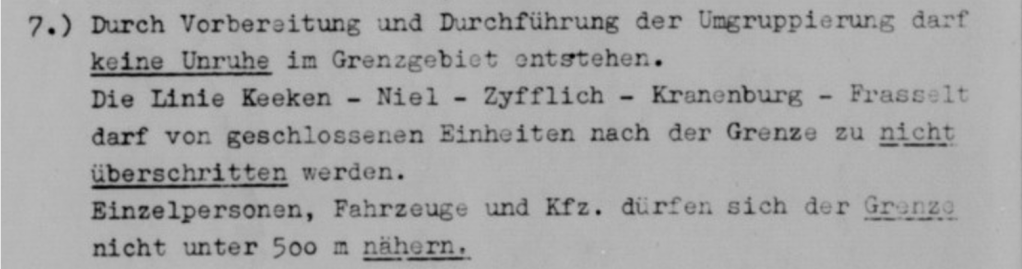
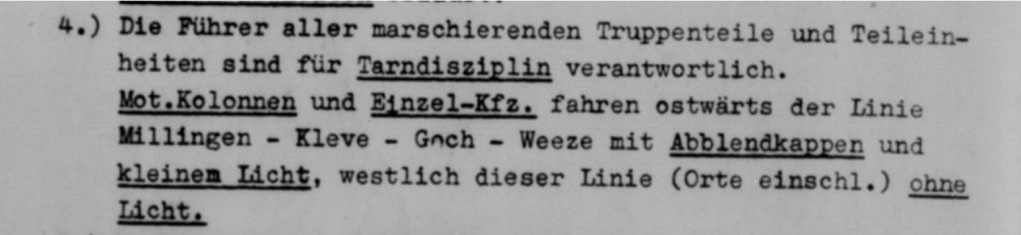
Around 1938/1939, German troops increasingly moved toward the border villages. One of the units stationed at the border near Millingen was the 4th Company of MG Battalion 9, attached to the 484th Infantry Regiment of the 254th Infantry Division. This unit arrived in Keeken in early February 1940. They were quartered in houses there, because a large tent camp would arouse suspicion among the Dutch. They likely carried out reconnaissance in Millingen to assess the situation. In their free time, they often crossed the border into Millingen to chat with the local population. On 17 February 1940, the 4/9 of the 484th Infantry Regiment received orders that no one was allowed to cross the border anymore. If they approached the border, they had to stay 500 metres away, and military vehicles had to drive either with dimmed headlights or without lights at all.
On 10 May 1940, the 4/9 of the 484th Infantry Regiment of the 254th Infantry Division moved away from Keeken toward Millingen. They occupied important buildings in Millingen and immediately continued to the Waal Bridge at Nijmegen, as that was their main objective for the invasion. That day, several regiments passed through Millingen. A group of Germans went straight to the dike to fire on Fort Pannerden and launched a surprise attack on the Hr. Ms. Braga, a Dutch gunboat sailing on the Rhine. On 10 and 11 May, the Germans worked from Millingen to keep the fort under observation and, when necessary, shelled it.
The occupation army in Millingen.
Soon after the German invasion, an occupation army arrived in Millingen. It mainly consisted of men between 40 and 65 years old. Between 1940 and early 1944, there were not so many German soldiers in Millingen, usually between 100 and 200. They stayed with farmers in barns or in cafés. Some of these soldiers helped out on the land, as they had been farmers in Germany before being conscripted. The soldiers behaved quietly, and the people of Millingen had no trouble with them. However, there were a few fanatical officers in Millingen one had to watch out for. Some of these officers had not yet earned the Iron Cross (German military decoration).
Around 1941, the Allies began bombing Germany. At night, the Allies used the Netherlands as a navigational landmark, so the Germans soon ordered windows to be blacked out so that the Allies would not know where they were flying. This order applied to everyone in Millingen. Every evening, local NSB members checked whether you had done this properly, as not a single ray of light was allowed to escape outside. Around this time, anti-aircraft guns (FLAK) were placed near Hoefseweg in Millingen, along with large searchlights. Ammunition was brought from Emmerich by truck and often stored in farmers’ barns.
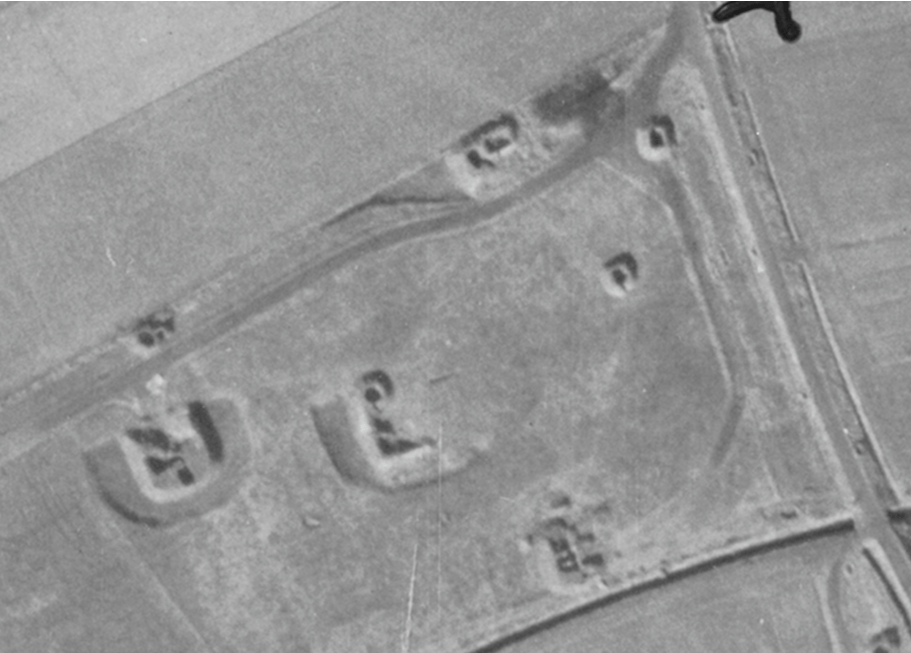
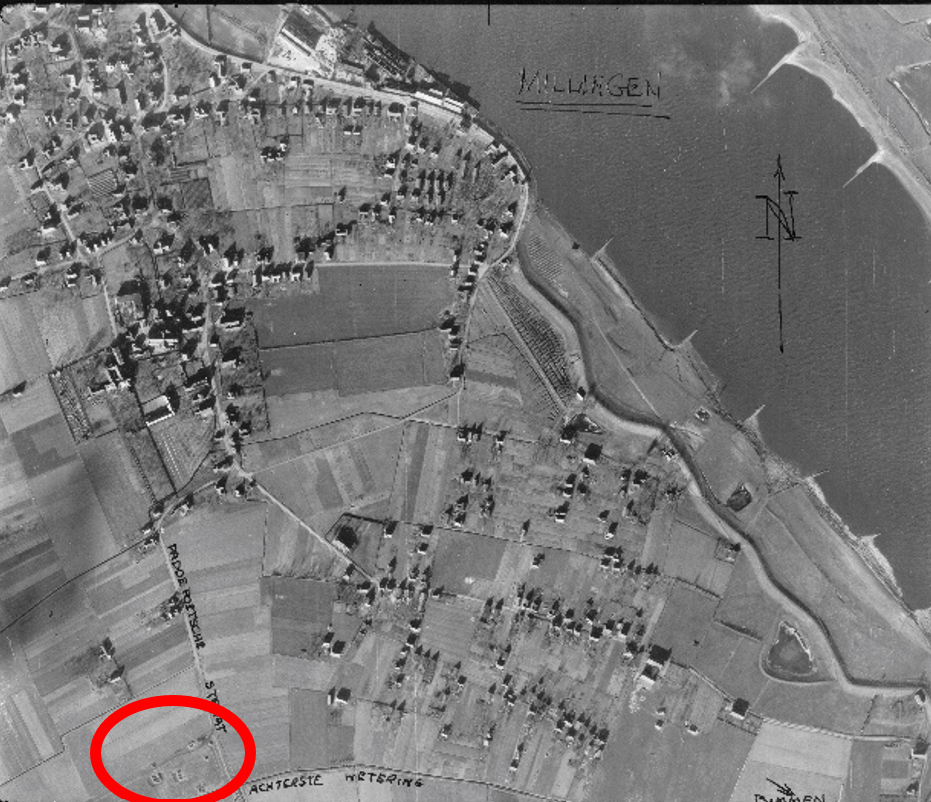
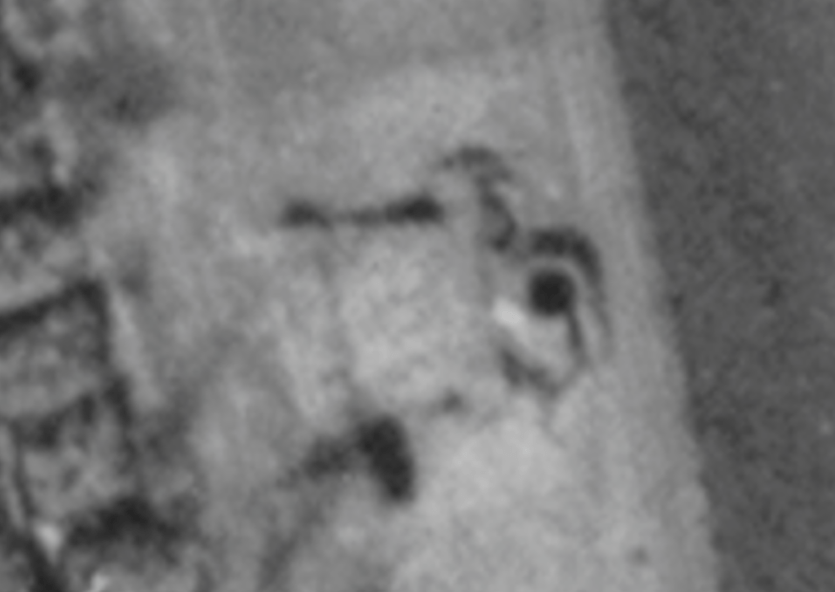
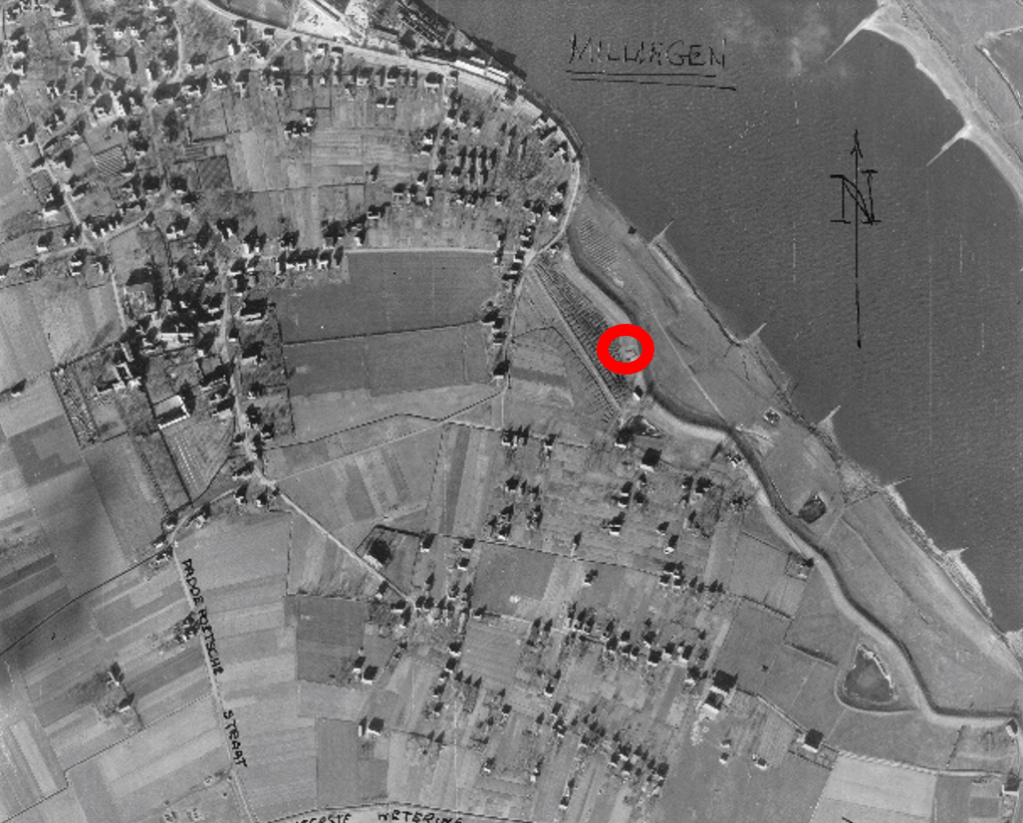
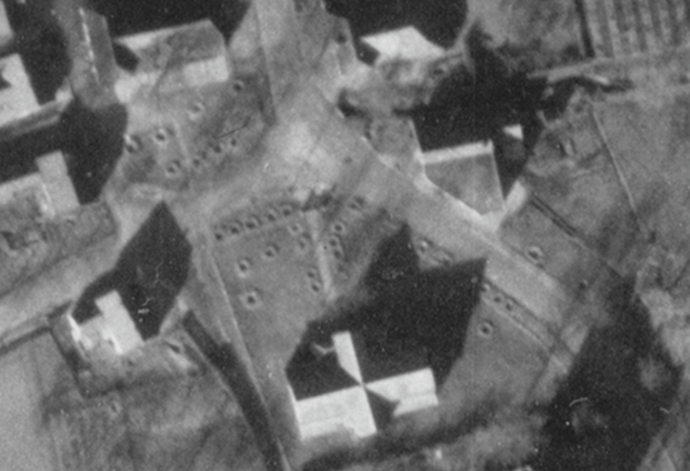
The Germans also constructed a shooting range in the dike in Millingen (approximately where the carnival association is now located). At the end of the range stood a target board, and behind it, someone with a pointing stick indicated whether the shot had hit. There were several drill grounds in Millingen, such as on Zeelandsestraat. The Germans practiced every week on the shooting range, marching from their quarters through Millingen to the range while singing military songs. They often sang: Wir fahren gegen England. It always drew a crowd when they marched. “About 20 of us local boys would march behind the German soldiers, singing along with them. The soldiers always gave us candy, and the best part was when we accompanied them to the range to watch them shoot. Early in the war, we already noticed the quality of the weapons and ammunition was declining, but of course for a shooting range, they wouldn’t use high-quality ones. When they finished shooting, we were allowed to pick up the shell casings, which we loved to do. Once a week, there was always a strict officer who chased us away.” In the aerial photo, you can see the shooting range.
In Millingen, there were quite a few German soldiers who did nothing. All they did was talk to the people of Millingen and drink coffee. One of these soldiers had the nickname Mäler. “He came to have coffee with us every day. There was no malice in him at all. If he received something from his wife, he shared it with us as a kind gesture.”
On 15 March 1944, new German troops entered Millingen. They immediately requisitioned various buildings: Pensionaat (JMJ), the girls’ school, Schuttersgebouw O.E.V. 1, the art circle, and half of the boys’ school. This meant the boys could only attend school half-days, as the girls were now also taught in the building.
On 17 September 1944, Operation Market Garden began. Panic broke out among the German soldiers. Many fled back to Germany, passing through Millingen. They threw away their weapons and crossed the border at Bimmen. Some German soldiers were taken across the river by the Van Wijck ferry, throwing their weapons into the Rhine. Suddenly, there were no German soldiers left in Millingen, but this was short-lived. Soon, German military vehicles arrived from Germany. Soldiers disembarked and immediately began setting up machine guns. Many German vehicles with troops and artillery passed through Millingen. On 29 September, dozens of heavy vehicles drove through Millingen toward the front (Leuth/Erlecom). Soon, the Germans ordered the people of Millingen to dig at least one foxhole per household. “Millingen was being shelled by the Allies, and I saw a German soldier on a bicycle who didn’t know how to get into a foxhole. He cycled straight into the hole and ended up upside down with the bicycle on top of him. I said to my neighbour’s boy: shall we help him? The neighbour’s boy said: No, we’ll just leave him like that.” The Germans quickly set up artillery in Millingen on Zeelandsestraat and Zeelandsestraat/Spaldropweg and also billeted soldiers in houses.
German soldiers who had fought around Nijmegen came to Millingen to rest. Soon, wounded soldiers also arrived in Millingen, cared for by the Red Cross. Every day, the Germans departed in groups of 50 soldiers toward Leuth often, 70% never returned.
In late September and early October, two German fighters crashed in Millingen. One fighter crashed near Crumpsestraat: “I saw the German fighter flying from Nijmegen to Millingen. Its coolant had been hit during an air battle. He made an emergency landing in the meadow. One meadow away stood the house at Crumpsestraat 28. The German pilot got out of the plane uninjured and immediately started cursing. He was picked up by a German truck, and the aircraft was removed the next day.” Further research is still being done on the other German fighter that crashed in Millingen (more information to follow soon).
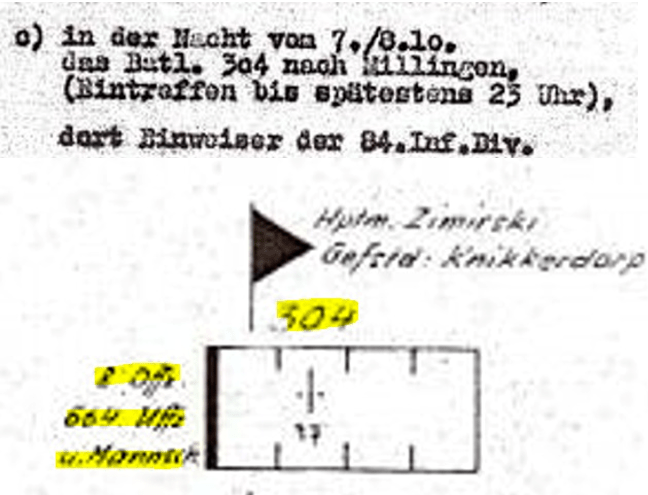
In early October, various German units were in Millingen: the 3rd Battalion of the 1052nd Regiment, 84th Division with about 400 men; the 304th Regiment, 84th Division with about 564 men and 8 officers; and the 3rd Battalion of the 1307th Artillery Regiment with about 150 men. The 3rd Battalion of the 1307th Artillery Regiment had placed several new guns on Zeelandsestraat.
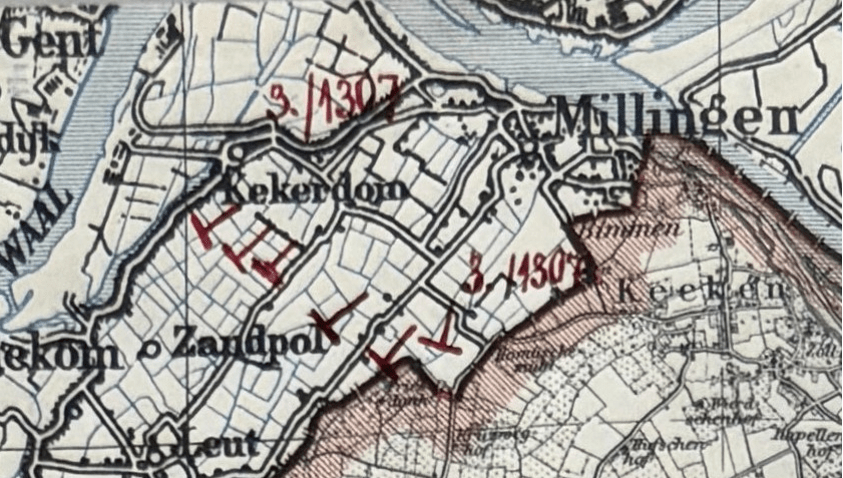
The days around 12 October were pure hell. A German soldier stationed in Millingen wrote a letter to his family:
“Liebes Frauchen, Herzliche Grüsze aus Holland sendet Dir deiner Willi. Am heutigen Donnerstagabend sitze ich hier am Schreibtisch und schreibe diese Zeilen an mein liebes Daheim. Hier ist noch alles beim Alten nur der Tommy ist ziemlich fleiszig mit schweren Brocken. Die Flieger sausen hier herum wie Bienenschwärme. Du müstest mal Kleve sehen. So etwas ist mir noch nie vor Augen gekommen. Die Stadt ist volkommen umgepflügt, es steht kein Mauer höher wie 3-4 M. So etwas war noch nie da. Ich liege direkt am Rhein in Millingen, das ist links Rheinisch auf Holländischem Gebiet und etwa 14 KM von Kleve entfernt.”
On 18 October 1944, the Germans ordered the people of Millingen to leave within 48 hours. Those with a horse and cart were allowed to cross by ferry at Emmerich.
From September to late January, several German soldiers in Millingen were killed by shell splinters, especially on Zeelandsestraat. The dead soldiers were buried at Bimmen, where a temporary cemetery had been established.
December 1944.
The 2nd Battalion of the 1052nd Regiment, 84th Division arrived in Millingen with about 450 new men. At the end of the month, the Kriegsmarine also arrived at the shipyard in Millingen.
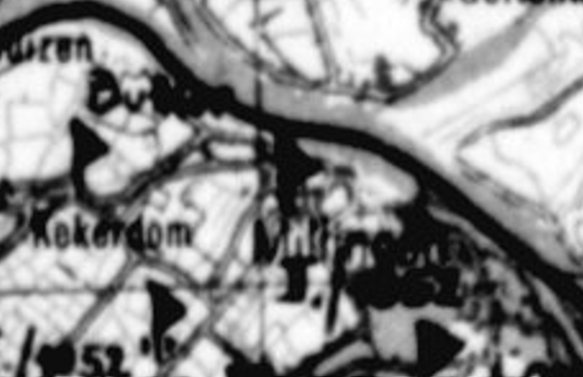
In January 1945, between 600 and 700 young soldiers came to Millingen. Of these, 150 went to the Klaverland brickworks, where the Germans had mortar positions. In February, the Germans breached the dike at Erlecom, flooding the Ooijpolder. At the end of January, the Germans slowly withdrew from Millingen. Only a handful of German soldiers remained, who were later taken prisoner by the Canadians on 9 February.
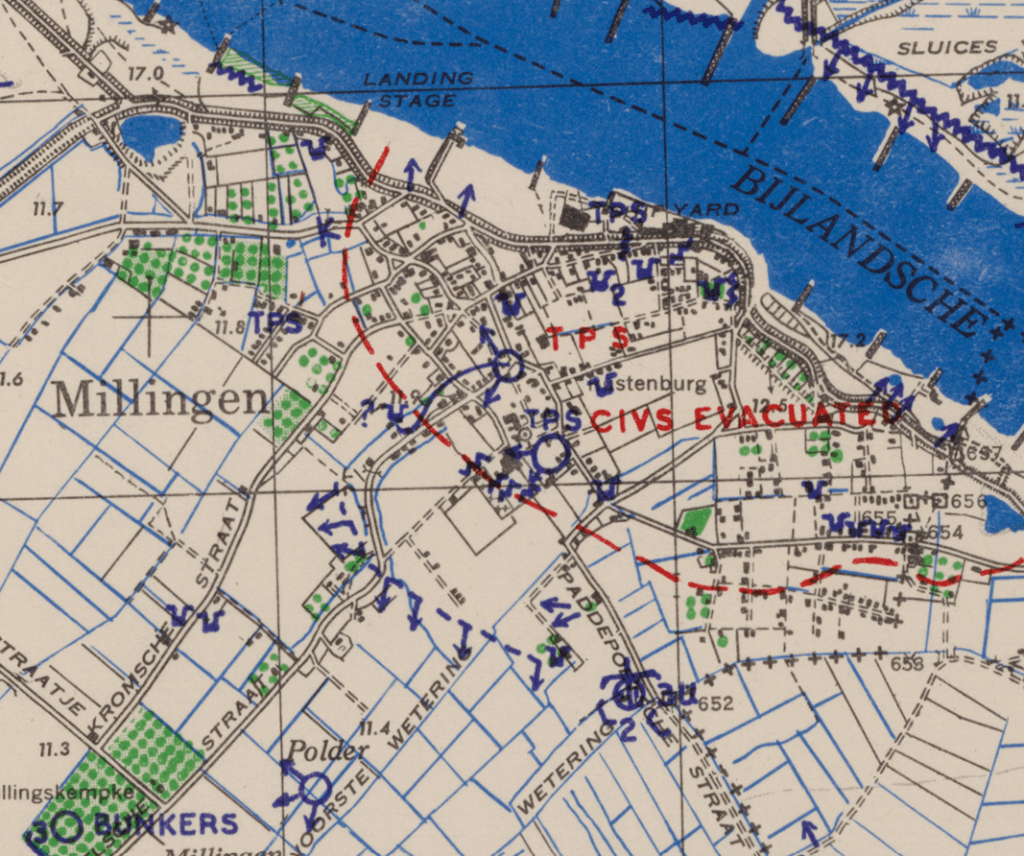
After the war, there were three German field graves around Millingen: two on Kekerdomseweg (Spaldropweg) and one at the Klaverland brickworks. From October 1944 to early January 1945, German soldiers laid minefields in Millingen. After the war, German prisoners of war were used to clear these minefields. This resulted in about four wounded and one dead.
Notes:
1: A. CH. Jeurissen, History of Millingen aan de Rijn.
Sources: Bundesarchiv Freiburg; Groesbeek Airborne Friends; Private archive Siem van der Kolk
 Millingen in oorlogstijd
Plaats een reactie