How the last mission of the American B-17 bomber 43-38434 took place.
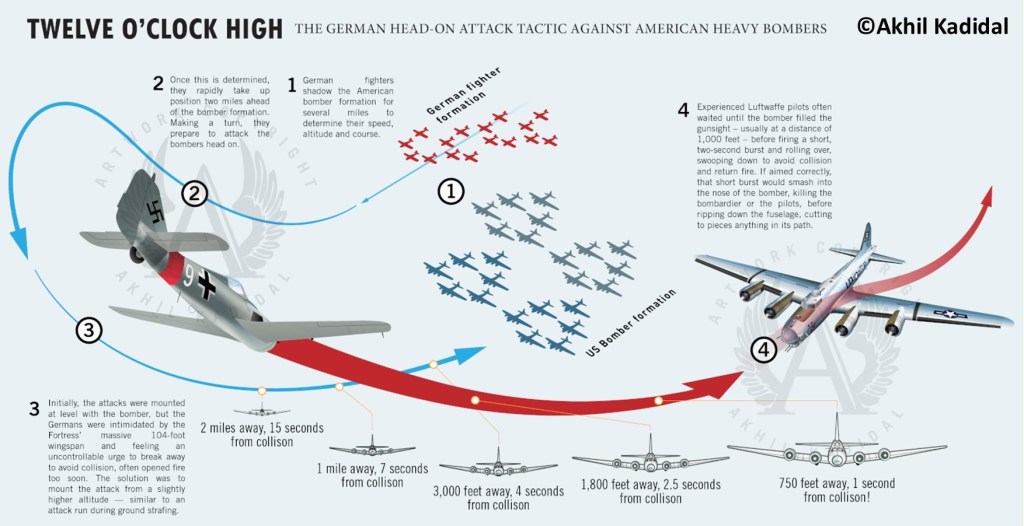
On 7 October 1944, from the airfield Podington in Bedfordshire, England, the 327th Bomb Squadron of the 92nd Bomb Group took off. They had been given the order to bomb Zwickau. That day the weather was fine and the mission went as planned without major losses. Because the weather was fine, they could fly higher than usual, which made the German anti-aircraft guns less effective against them. When they came closer to their target around 12:00, more resistance was offered by the Germans. The anti-aircraft fire increased in intensity and more and more German fighters attacked the group. When they reached their target, they could not simply drop their bombs because the smoke obstructed their view of the target. The bombers had to make an extra round to drop the bombs properly, which meant they were exposed to enemy defensive fire for longer.
How the B-17 43-3843 crashes in the Rhine.
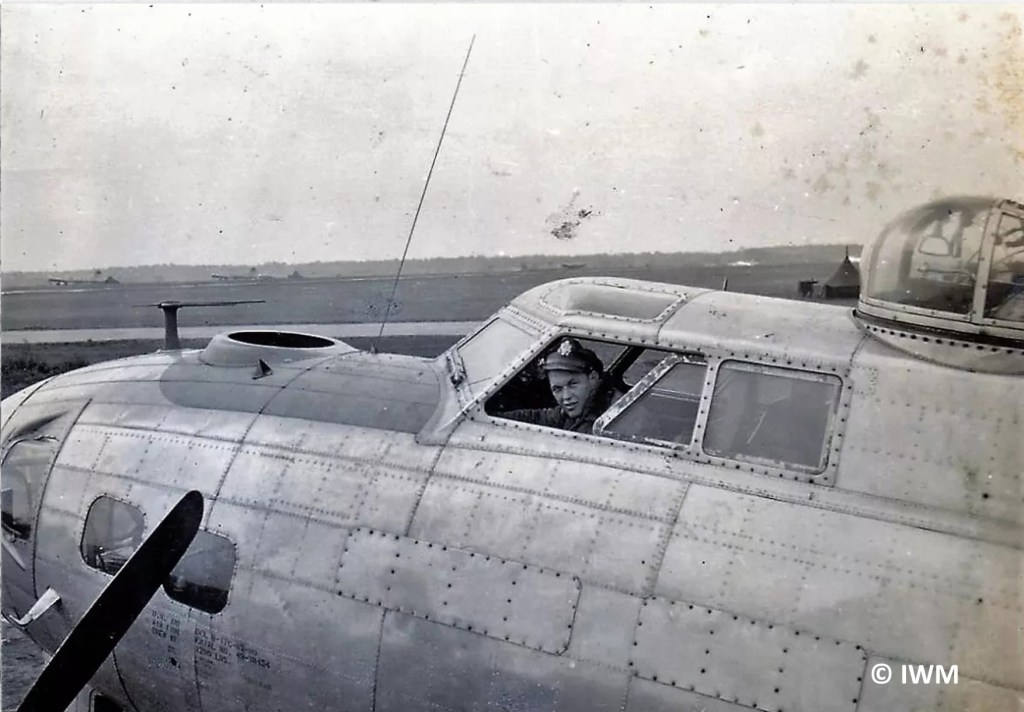
One of the bombers was the B-17 with tail number 43-3843 under the command of 1st Lieutenant Charles Kerr, the pilot. The bomber was first hit over Dresden, at which point engine number 3 failed and had to be feathered. A few minutes later, engine number 2 was also feathered. In itself, it was not a big problem if 2 engines had failed. The consequence, however, was that they could no longer gain altitude and enough speed. They had to let other bombers go ahead because they were flying too slowly. Lieutenant Kerr requested air cover and flew towards Brussels. The B-17 meanwhile sustained more and more damage, and more and more crew members were wounded. At 14:21 hours, the B-17 flew over Zevenaar and Pannerden, where it was hit several times by flak. Lieutenant Kerr gave the order above Pannerden to abandon the bomber. Lieutenant Kerr himself jumped a few seconds later above Millingen, although the bomber was already flying very low, which meant he had a chance that his parachute would not open. But he had no other choice. The B-17 made a large turn over Millingen and finally came to rest in the Rhine at the shipyard at 14:23 hours. Lieutenant Kerr landed with his parachute in Millingen at Wim Van Wijck on the dike. The Germans were already ready to take Lieutenant Kerr prisoner, and he immediately handed over his weapon. The rest of what he still had in his pockets cigarettes and candy he gave to the people of Millingen who were standing there. While handing everything over, a German soldier asked him: “Where did you take off?” Kerr replied: “I am a soldier and cannot tell it you, it is a military secret”. In total, 5 crew members survived the crash and were subsequently taken prisoner. The other 5 crew members were killed in the crash and were never found again.
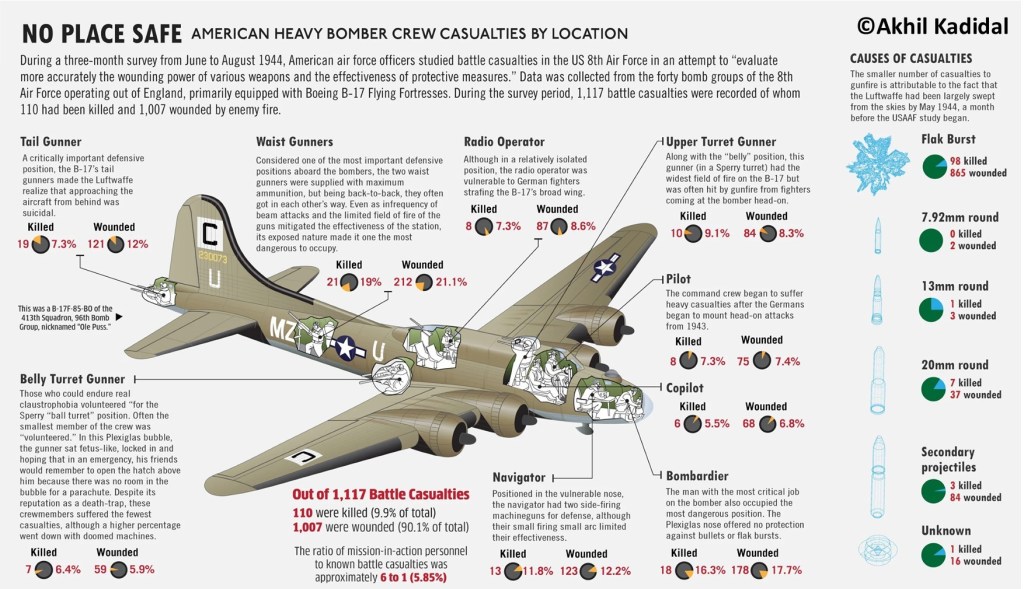
The crew of the B-17 43-38434:
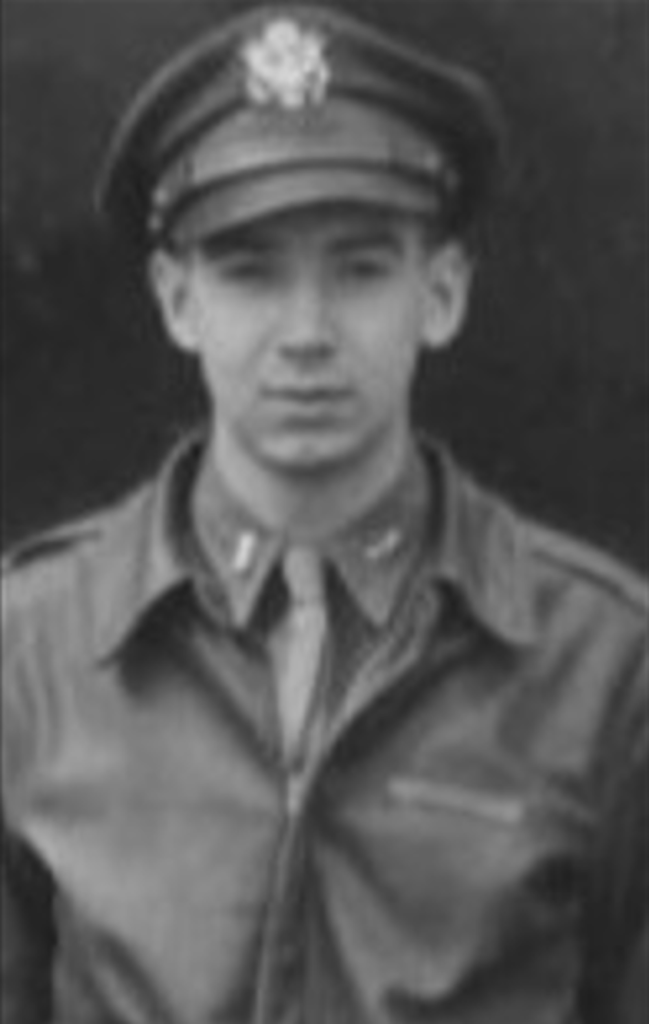
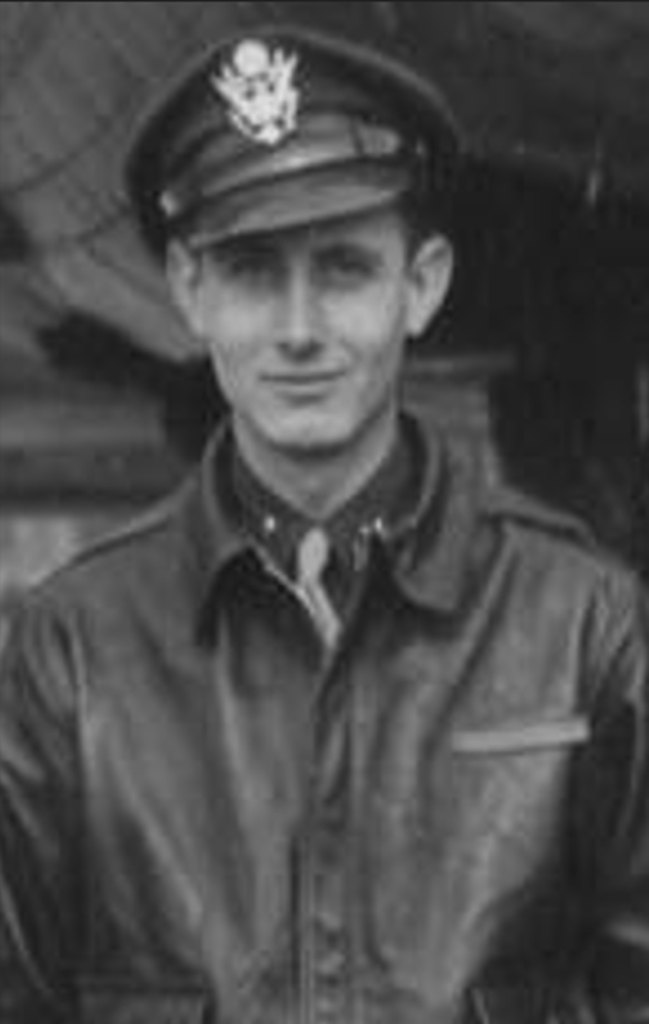
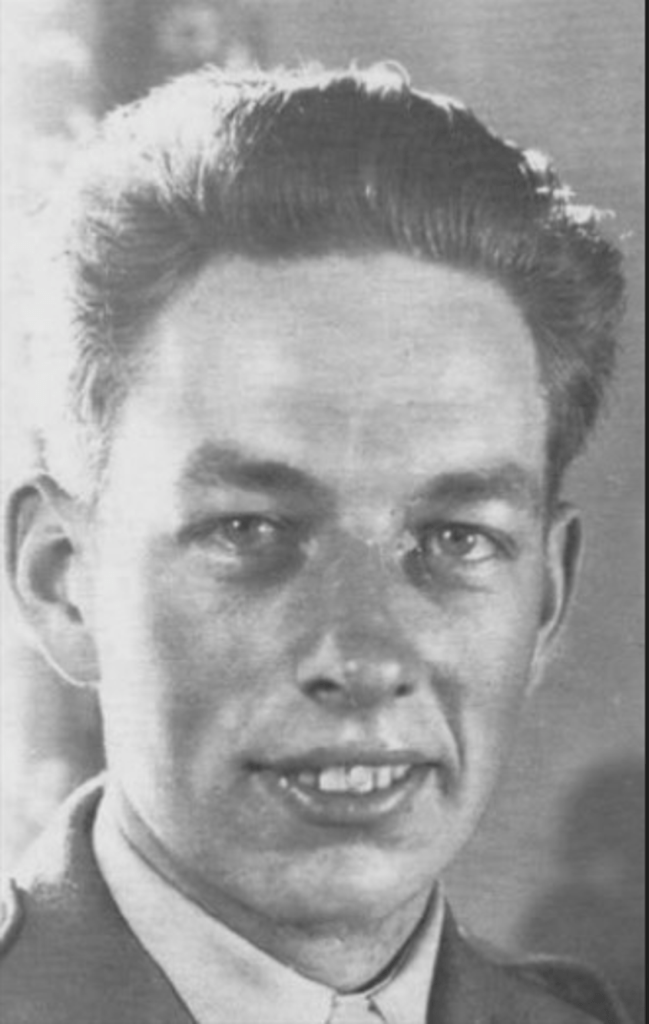

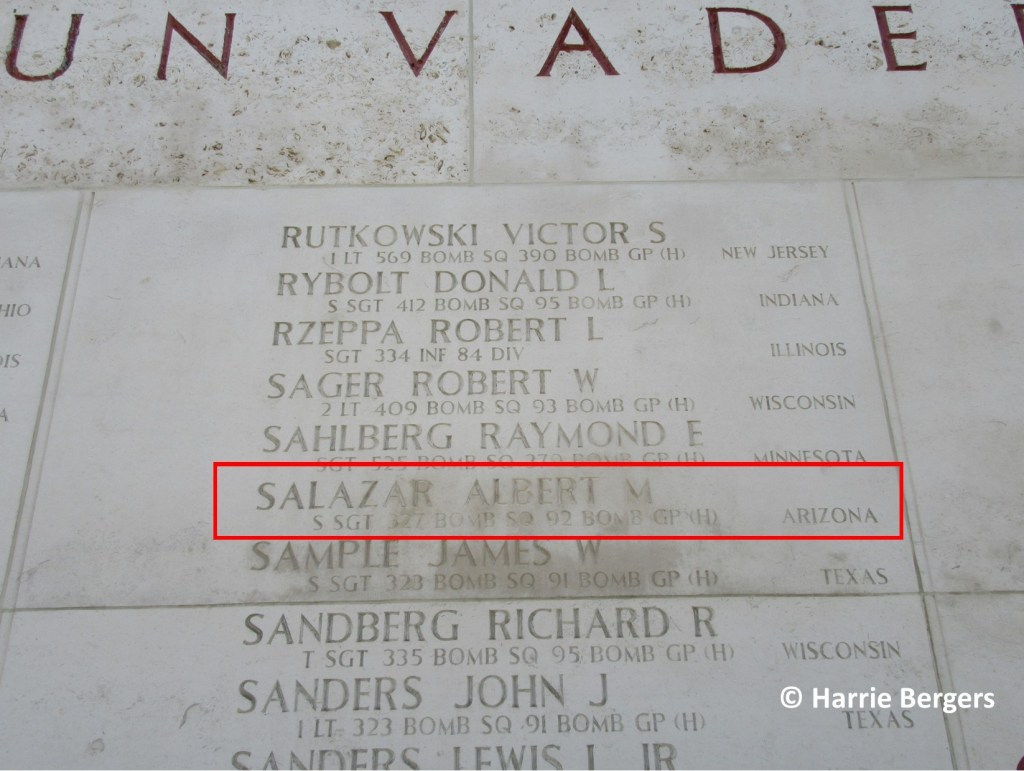
RO T/SGT Robert E. Devaney KIA
BOMB 1LT Joseph S. Barrett POW
NAV 2/LT William H. Cummings POW
NAV2 1LT Leroy R. Draud POW
Sources: NARA, Studiegroep Luchtoorlog 1939-1945, IWM, American Air Museum and Private archive Siem van der Kolk.
 Millingen in oorlogstijd
Plaats een reactie